What I learned about advertising from trains in Japan.
This summer, I took a trip to Japan and discovered something about the art, design, and science behind advertising that I did not expect. And most of what I learned happened within the microcosm of Japanese trains and train stations.
One of the greatest things about Japan is their extensive public transit system, which runs like clockwork and can get you to practically every corner of the country. As I board the train through Tokyo’s underground network, the first thing I notice is that the train is eerily quiet – at least in terms of the people on board. We could be packed in like sardines, but not a breath, laugh, song, or cough can be heard. However, where the people are quiet, the visuals and sounds around me are loud and alive.
Part 1: Expression-Forward
Advertising covers every possible surface in the station and on the trains. Banners along the ceiling in bright pinks and blues, with bubbly, childlike script exclaiming “Look here!” “Wow!” “Ouch!” advertising anything from real-estate, to software, to nasal cleansers.
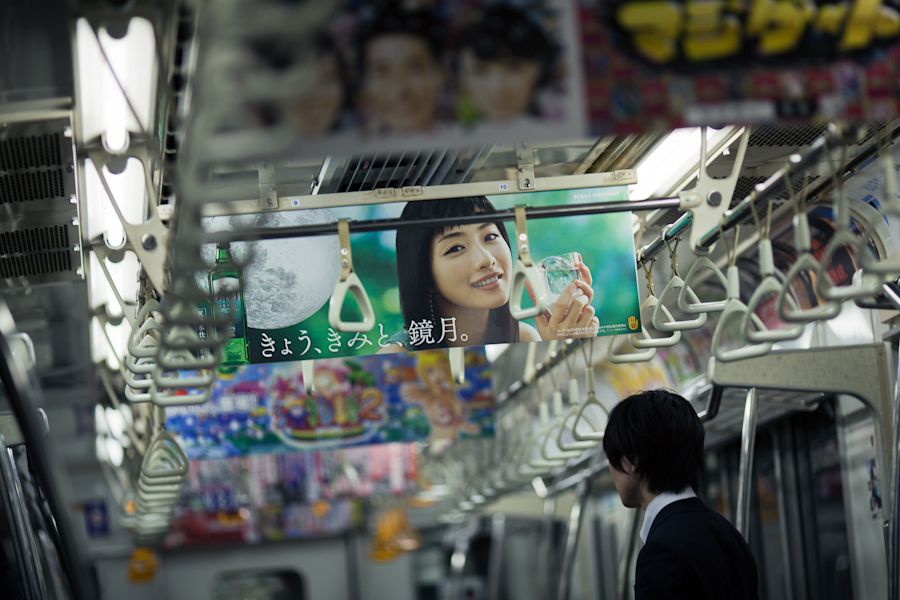
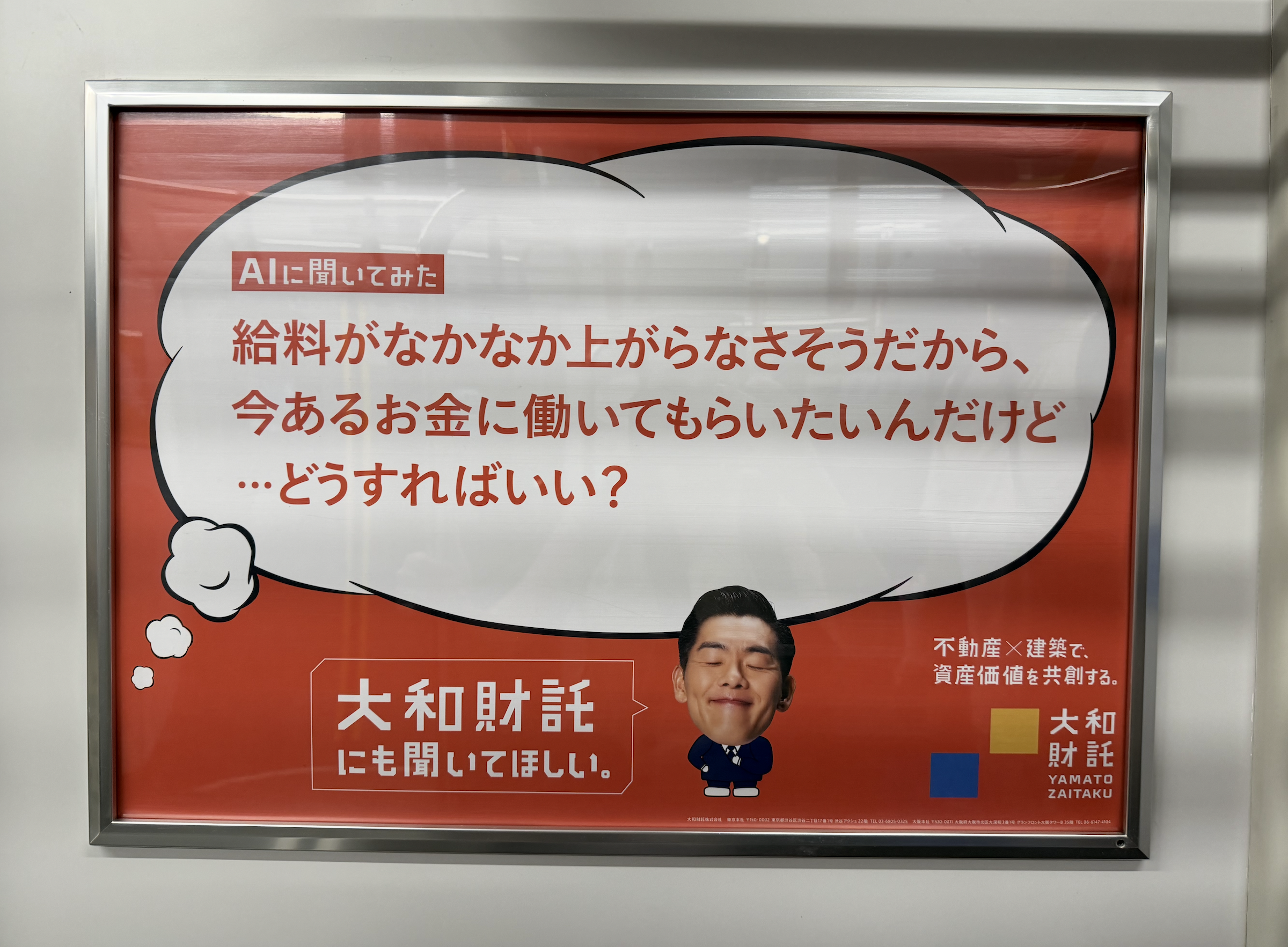
Posters by the windows show little bobble-headed men with shocked expressions discovering an exciting new product. It’s all very colorful, cheerful, and somewhat… well, child-like.
Instead of presenting the facts about a product, Japanese advertising focuses on the feeling this product will give you, or allows the viewer the chance to picture themself in the place of the model, trying that product for themselves. Reacting in wonder, or excitement, or disgust, depending on what the billboard is promoting.
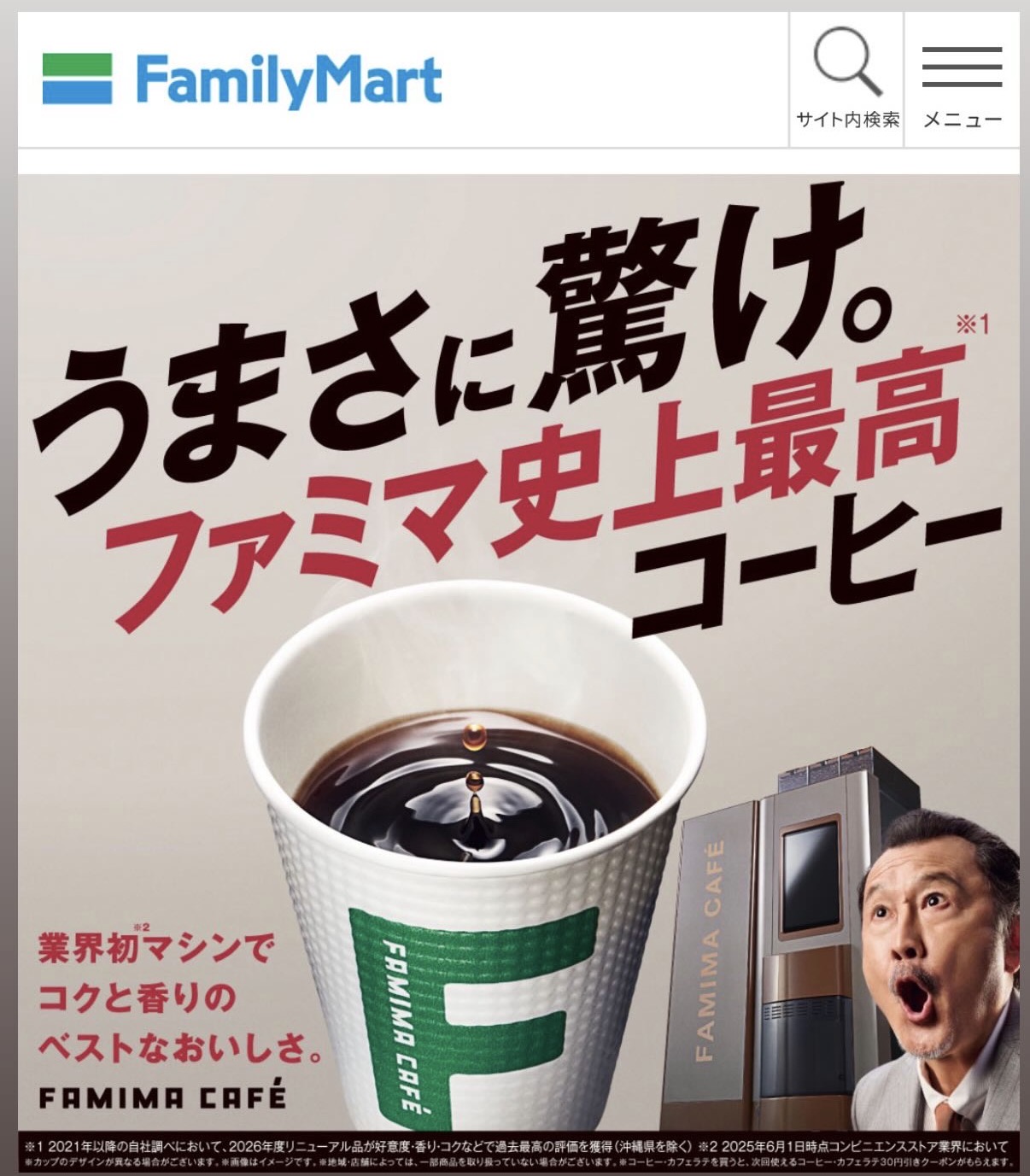
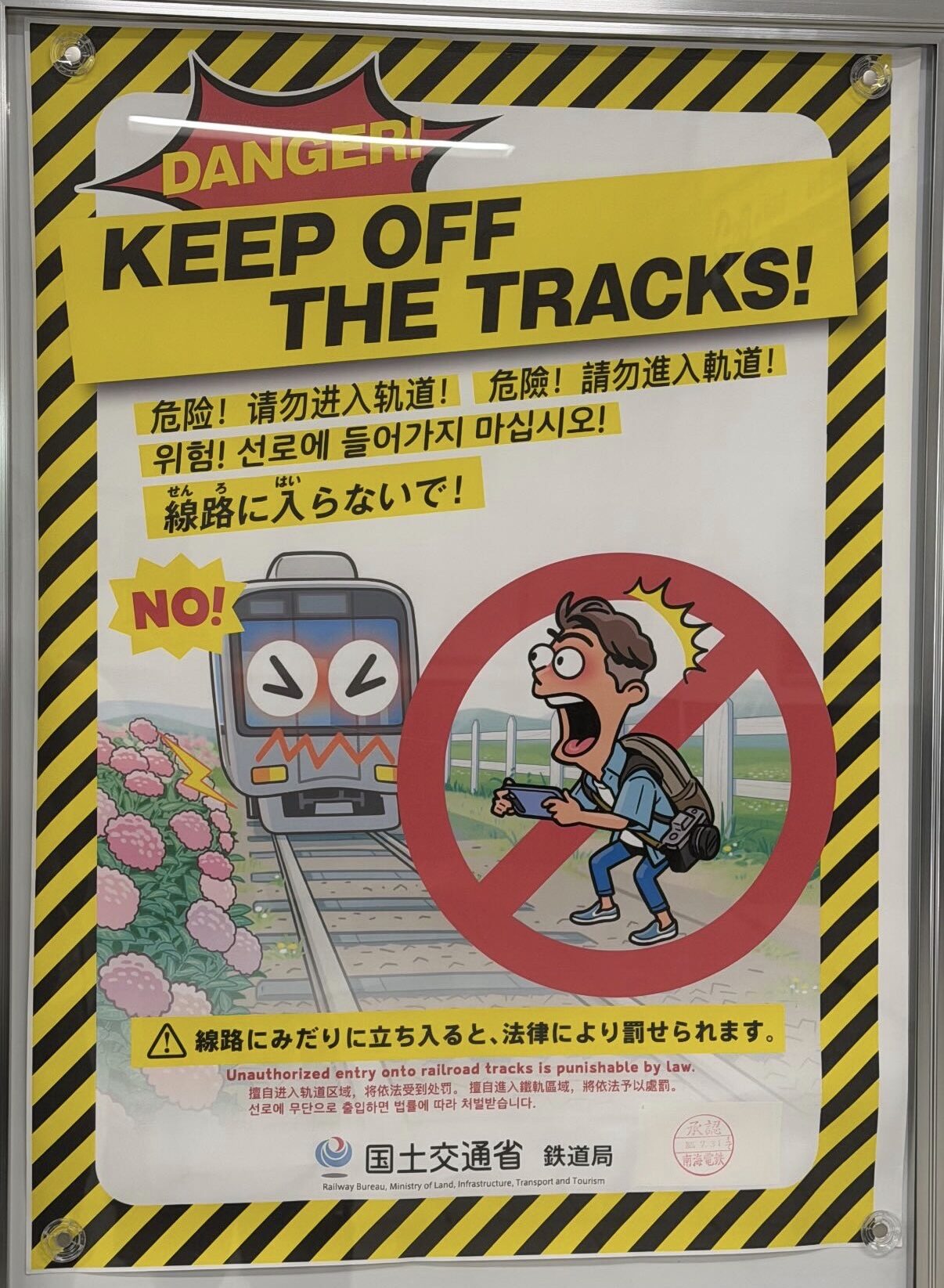
While in America, we may try to evoke emotion in advertising through color, photography, and copy – Japan puts human expression and experience front and center.
Part 2: Pure Honesty
I step off the train and head to a food hall in the station. At the first snack shop I pass, I buy a pack of potato chips, pop them open and take out a chip. Before taking a bite, something catches my eye. I hold my chip up next to the photo on the front of the bag. The photo of the chip on the bag is an exact match to the chip in my hand. The size, the color, texture – everything! I notice the same thing with a bag of candy, and a box of crackers.
The packaging tells you exactly what you’re getting. And this isn’t coincidence. Japan actually has strict consumer protection laws that address this exact issue. It’s against the law to falsely advertise a product or mislead buyers, especially when it comes to food products. What you see is what you get.
Take this even further – 90% of restaurants that I passed in Japan (excluding major international chains) will have a display case in front showcasing their most popular dishes, made entirely of plastic/resin and painted to such meticulous detail that, I admit, I had to take a closer look to determine if the replica food was real or not. You can almost see the steam coming off of the food, it looks so real! There is an entire industry and art built around creating display food! I think there’s security and comfort in that, and it’s always fun to peruse the options and notice which dish makes your stomach growl the loudest even before stepping into the restaurant. The advertising is honest and tactile.

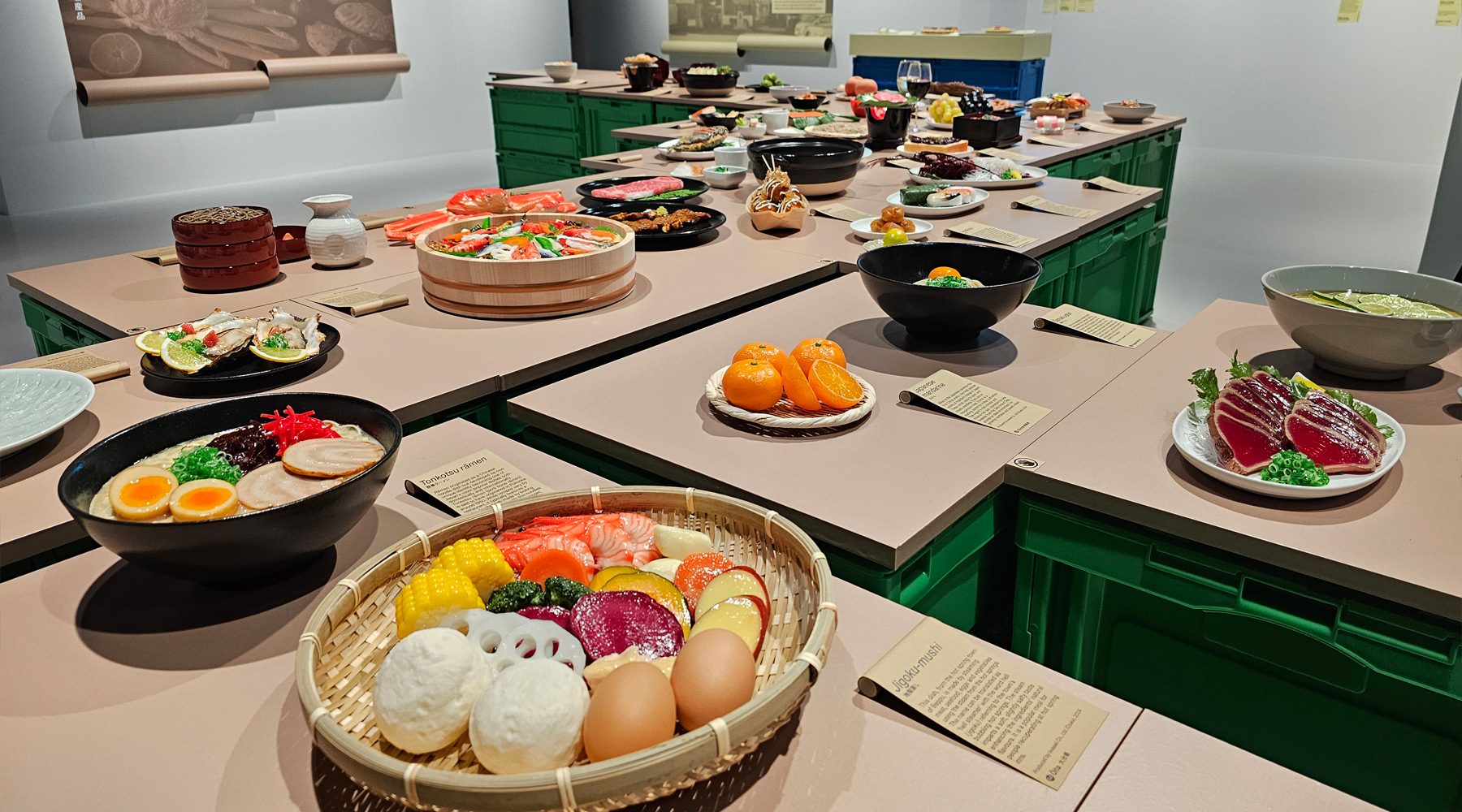
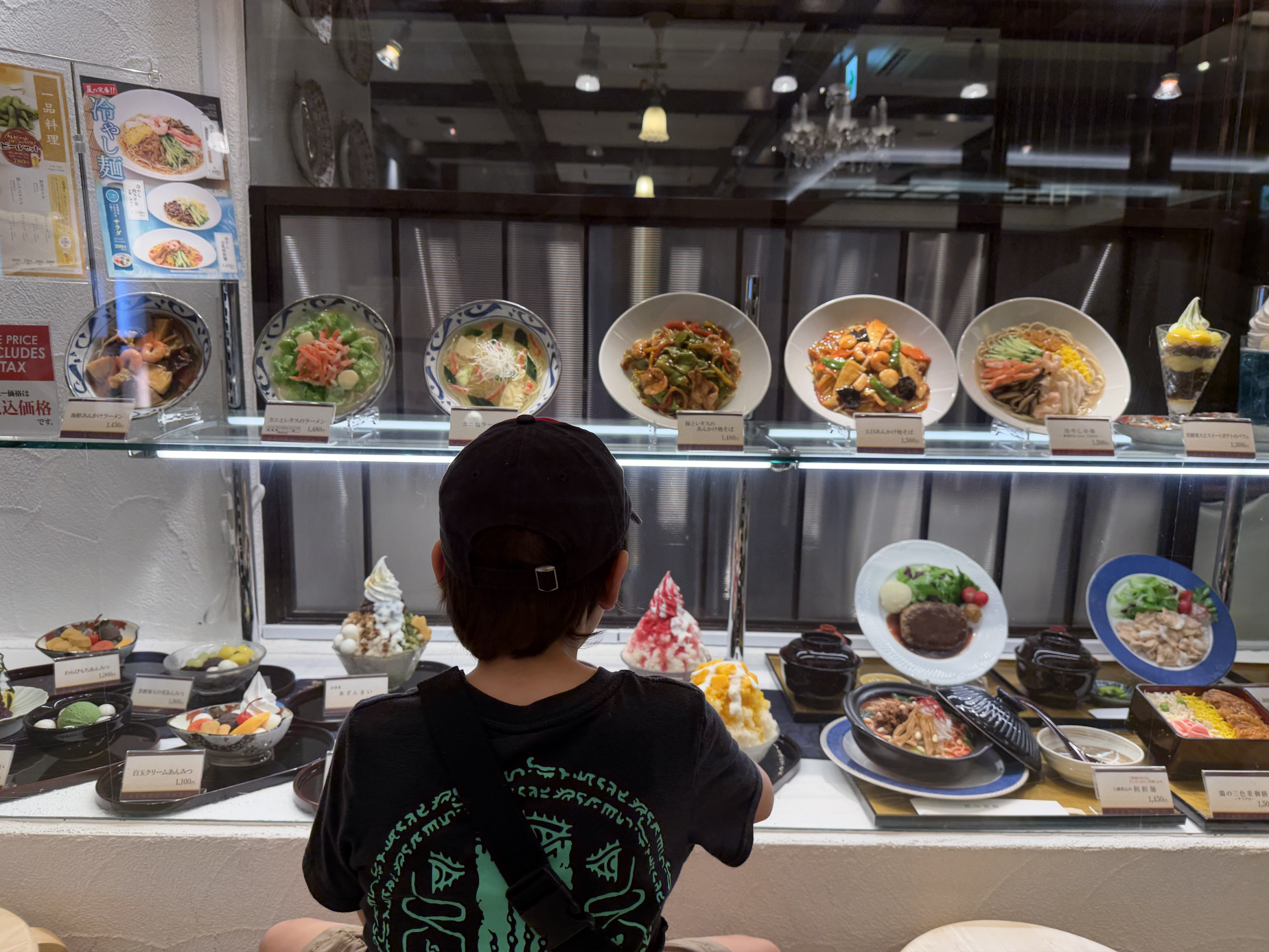
So what can we, an agency in Nashville, TN, learn from Japanese advertising techniques?
- Have fun!
- Center the human experience first and foremost.
- And never ever lie.
The fans and support will follow.
Addi is a Producer with FoxFuel Creative who heads up the video production team. She's a big fan of animation, fantasy films, daydreaming, and making cool stuff with cool people.